GLIDE Equine 2026 Training
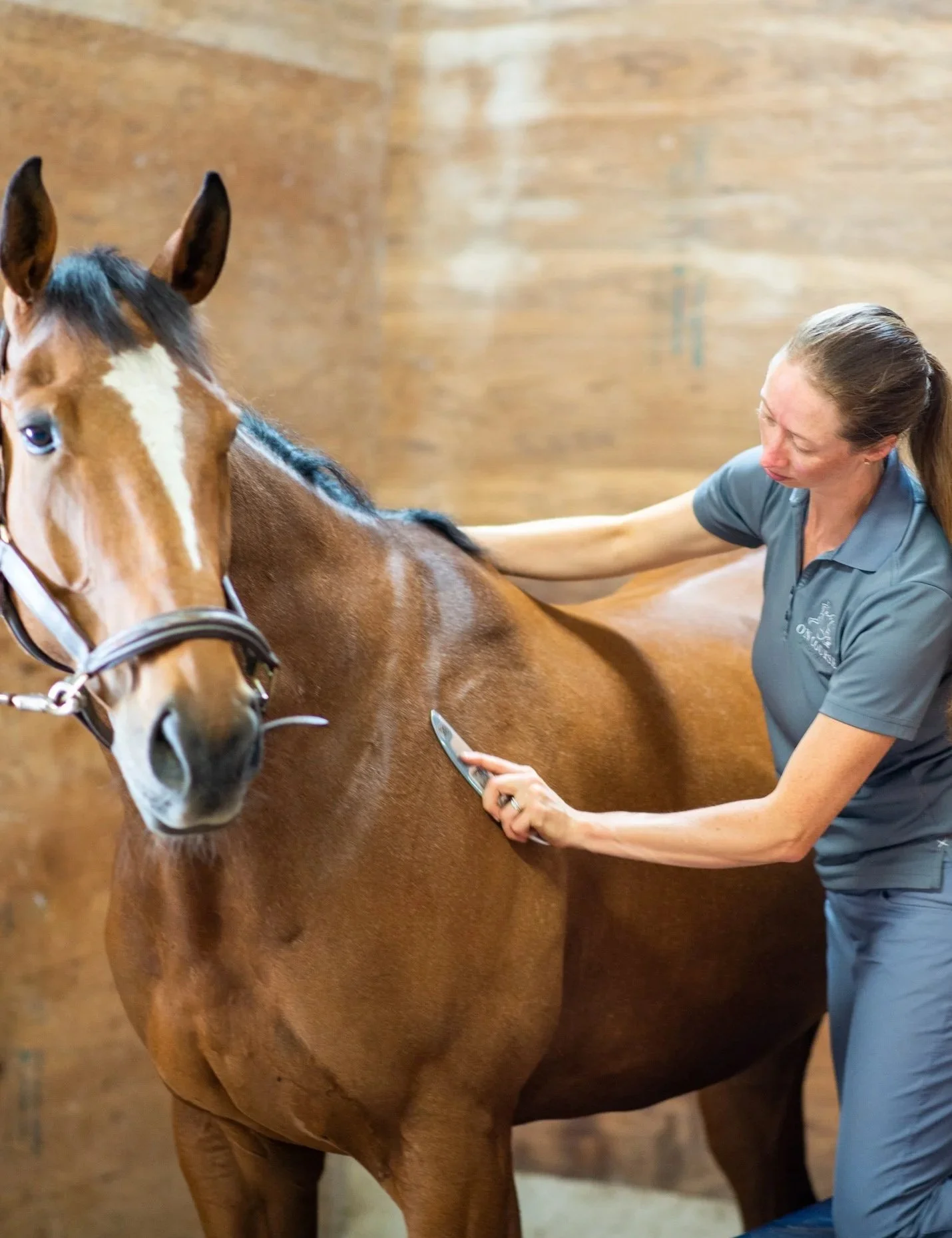
GLIDE Equine 2026 Training
Take your equine practice to the next level this fall with GLIDE. Dr Stephanie Crawford will guide you through the evidence, clinical reasoning and application of IASTM techniques in equine practice.
If there’s one thing I’ve learned in the past thirty years of working with horses, it’s that less is often more.
Creating healthy, sustainable motion in a body is so much more than just working out tight muscles. It requires careful observation, understanding of the body as a system, and well-developed practitioner feel. If you agree, then the GLIDE Equine approach to instrument-assisted soft-tissue mobilization (IASTM) is what you’ve been waiting for - whether you’re looking to add IASTM to your practice, or to fine-tune your existing skills.
October 2026 marks the launch of GLIDE Equine IASTM training for equine practitioners. In this certificate course, Dr Stephanie Crawford, DC, CAC will guide you through the evidence, clinical reasoning and application of IASTM techniques in equine practice.
GLIDE Equine IASTM certification offers:
Quality training and instruments at an affordable price
Effective techniques that horses enjoy
Methods that decrease practitioner fatigue
Functional approach to assessment and treatment
Pilot course pricing and limited number of attendees
The GLIDE Equine course is made up of two components:
Online content will provide the background, scientific context and anatomical review and clinical principles for successful application of IASTM.
An in-person small-group training will provide you with hands-on practical application of assessment and treatment techniques that you can apply in your equine practice immediately.
About your instructor:
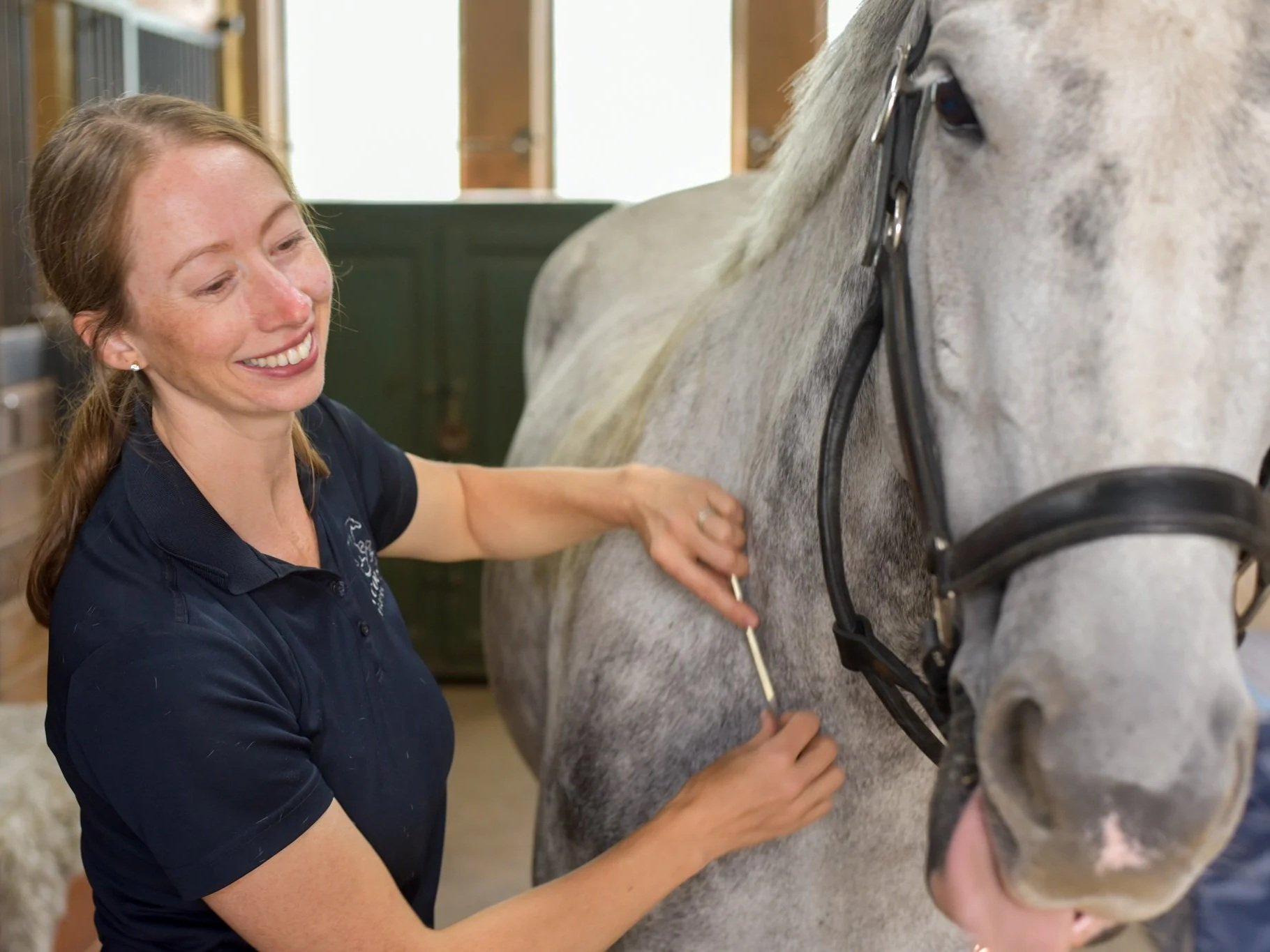
Dr Stephanie Crawford is a registered chiropractor and certified animal chiropractor. She owns and operates On Course Chiropractic, a full-time practice that serves horses and riders in Southern Ontario.
Stephanie is a lifetime equestrian, horse owner and an Equestrian Canada licensed coach with a biomechanics-based coaching program. She is student of classical horsemanship and equine learning theory. She sees training and rehab as existing along the same spectrum, and the need to understand the nature of the horse’s mind and body to do both.
She has been involved in developing and teaching instrument-assisted methods for horses since 2018 alongside industry leaders. She is now excited to bring world-class equine IASTM programming to Ontario practitioners for an affordable cost.
Want to enroll?
If you already know this is for you, now is the time to secure your seat. Only seven spots are available. The pilot year cost of $750 plus GST is a fraction of similar courses on the market. It includes:
GLIDE manual (PDF)
Online and in-person training directly with Dr Crawford (total: 10 CE hours)
Stainless steel instrument (value: $250)
Certificate of completion
Virtual support during and after the course through a private Facebook group.
FAQ:
What is IASTM?
IASTM stands for Instrument-Assisted Soft Tissue Mobilization. In short, it is the use of an instrument or tool to assist with manual therapy. GLIDE IASTM is an approach that combines manual techniques using stainless steel instruments with a clinical approach to assess and treat soft tissue and movement dysfunction.
Is IASTM safe?
Proper IASTM is safe and effective! IASTM performed improperly can cause bruising and other types of injury and you may have seen some aggressive methods on online. There is currently a lack of proper IASTM training for equine practitioners and that is why GLIDE Equine is here. Instruments are NOT simply a way to perform more aggressive soft tissue work. In fact, less pressure is needed due to the beveled edge of a good instrument which allows soft tissue mobilization that is comfortable and efficient. A good instrument also allows the skilled practitioner to detect subtle myofascial abnormalities as they are amplified by the instrument.
Is IASTM evidence-based?
There is a large body of research on IASTM for a variety of applications in human and animal subjects. Some of the research covered in the course includes studies that have shown:
Pain modulation
Improved functional parameters such as ROM and proprioception
Improved soft tissue healing including fibre alignment and tensile strength
Increased vascular proliferation
Increased fibroblast and mesenchymal stem cell production
How do horses respond to instrument-assisted work?
IASTM performed well feels amazing, and it will become your go-to method to establish trust and enjoyment in your equine treatment sessions!
Who can take this course?
This course is open to currently practicing equine practitioners of all backgrounds and practitioners in training. You should have a strong background in equine anatomy, palpation and horse handling.
How will this course improve my practice?
IASTM allows for effective detection and treatment of soft-tissue dysfunction from a variety of causes. With correct techniques you will expand your toolkit (pun intended!) for assessing and treating common presentations such as back and neck pain, as well as addressing scar tissue, post-surgical care and soft tissue injuries. The course materials provide a comprehensive anatomical review with a clinical lens to make application in your practice seamless and effective.
I have previous IASTM training and already own instruments. Can I bring my own instrument(s) and do I have to purchase yours?
This course is not proprietary to a specific instrument and the techniques taught can be applied with most beveled edge instruments. We have chosen a high-quality instrument well suited to equine work that we think you’ll love having in your practice. However, you may contact us for pricing that excludes instrument purchase and attend the course with your current instrument instead.
Where will the in-person course be held?
The in-person portion of the course will be held in Millgrove, Ontario on October 17 2026. A time will be determined for the two-hour live virtual theory session prior to that.
Are CE credits available for this course?
This is the pilot year of the program and we are not yet accredited with any bodies to provide structed CE hours. The course is 2 hours of live virtual learning and 8 hours of practical in-person learning which may be applied as unstructured hours depending on your regulatory body.